A Look Inside an AI-Designed Moderator
Silent Thunder Ordnance
Scalpeldashi: Ten Years, Barely Changed
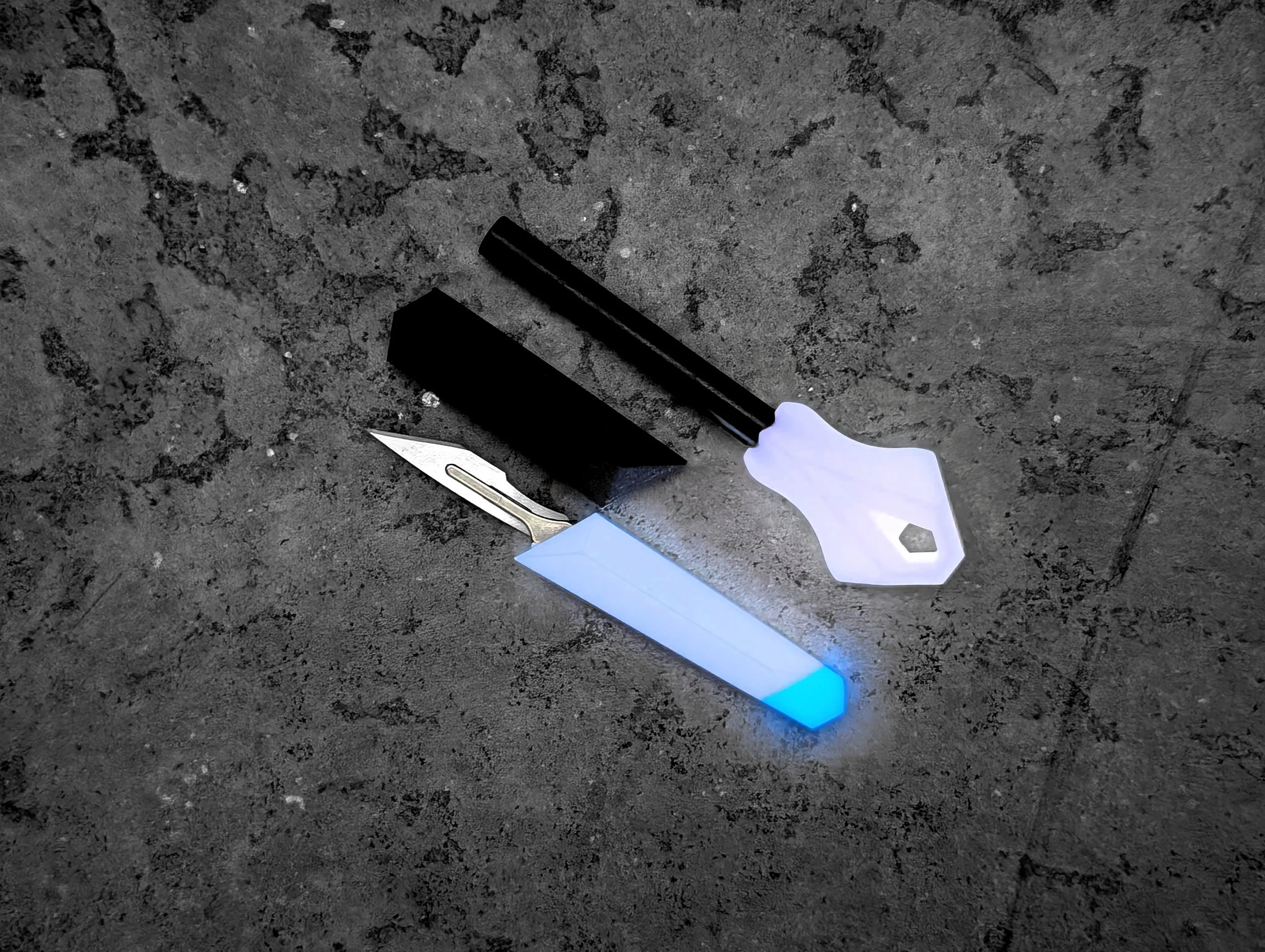
Scalpeldashi is one of our oldest products, and it's barely changed in ten years. The idea is simple: put the sharpest disposable blade available into your pocket, a modern take on the kiridashi. We've run through plenty of colors and finishes over the years, but the core shape, the angular profile and length that works for pinch, saber, and surgeon grips, hasn't needed to change.
It's basically our whole design philosophy in one product. Don't build what you imagine a customer wants. Build what you'd actually use yourself. You know that feeling when you pick something up and think "who tested this?" Too complicated, half-broken, or stuffed with features nobody asked for. That's what happens when you design for an imaginary customer instead of proving it out in your own hands. Our original Scalpeldashi prototypes are ten years old at this point, and the current version isn't that far off from them.
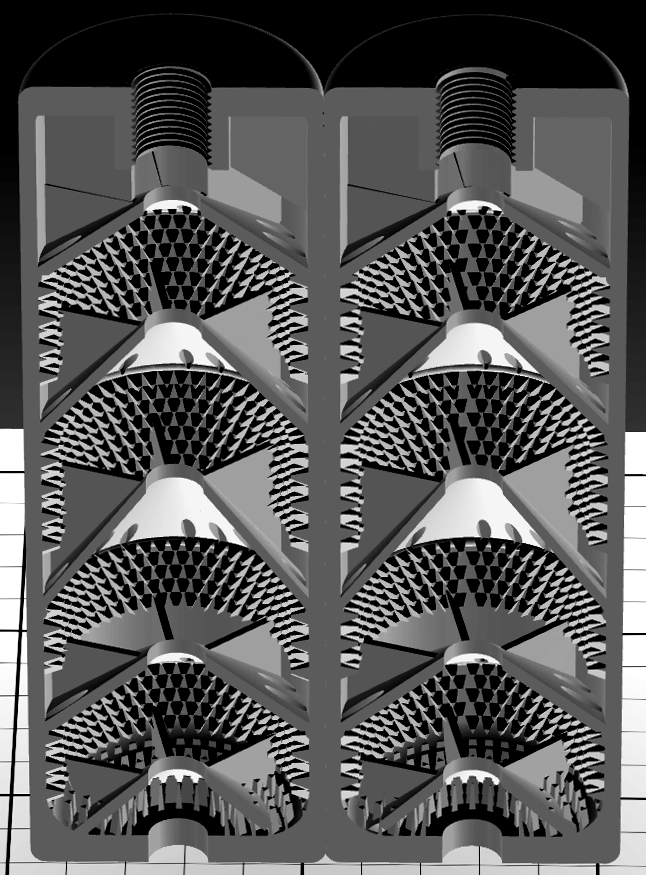
An AI-Designed Moderator, Digitally Dissected
We recently got a look at an AI-designed, open source, 3D printed moderator built by a designer who goes by Non Timebo Mala online. His designs are free to download (link), and he generously gave us permission to write about this one, a Coyote .30.
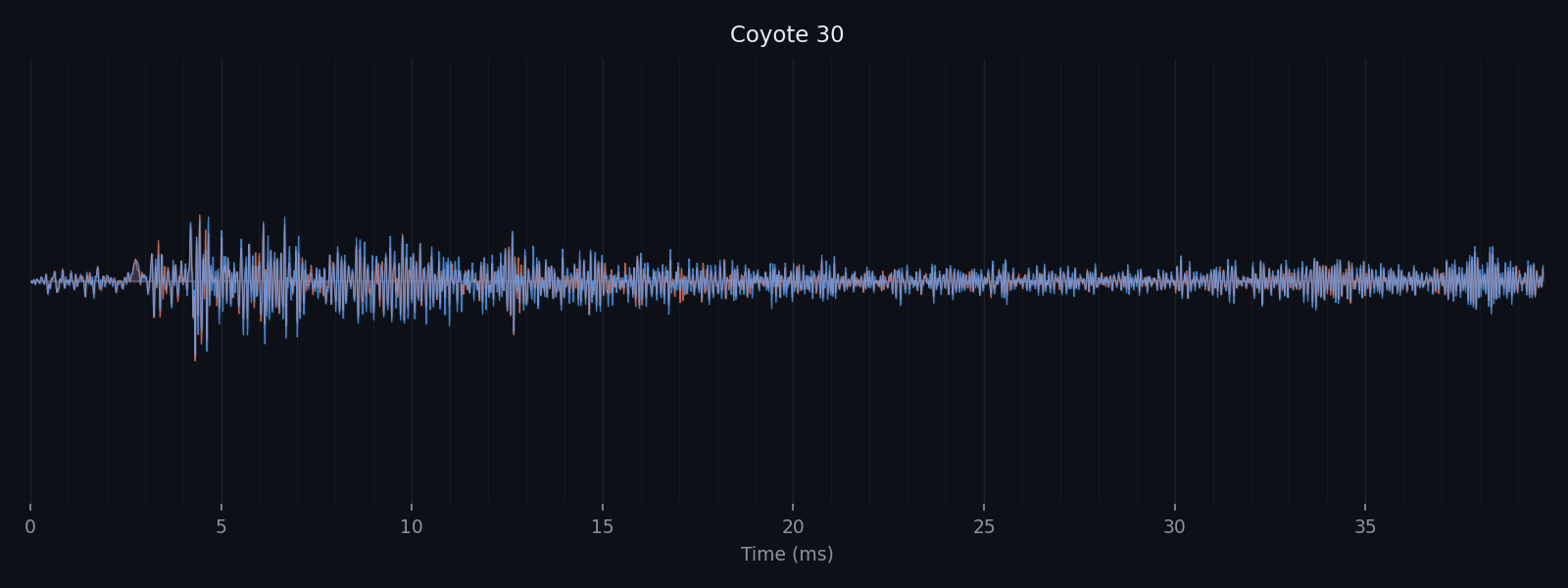
The thing performed well enough to genuinely surprise us. That AI could design a functional airgun moderator at all is remarkable. That it performed this well is another matter entirely. Measured peak was 80.95 on a moderate flow FX Crown .30 cal (see our flow factor guide for context), which is a solid number. To the ear it sounds a bit louder than that number suggests, because there's a lot of post-peak sound trailing off. It's got that Hollywood "James Bond" quality, the stereotypical film moderator sound effect. Looking at the trace, that tail continues for an unusually long stretch, which indicates whatever's whistling inside is doing so across a wide band of airflow, all the way down to comparatively low air movement.
That was curious enough that we (virtually) cut it open to look at the internal geometry. It's open source, so you can download your own copy, but here's what we found poking around inside.
The Baffle Structure
Internally it's a set of fairly conventional conical baffles with struts. The struts aren't contiguous and don't overlap, so they're not contributing to the design's longitudinal strength. If pressure ever exceeded the moderator's limits, it would most likely fail in one of the bands between baffles for exactly that reason. The struts also sit on the top faces of the baffles rather than the bottom, which rules out 3D-printing support structures as an explanation. Not that the baffles need supports to print, just ruling out both structural reinforcement and print supports as reasons for the feature. That leaves damping as the most likely purpose.
The struts are arranged in a pattern alongside a series of holes bored through each baffle. What that combination is meant to accomplish isn't entirely clear, but it's reminiscent of the baffle arrangement in the Rocketdyne F-1 injector, which was added there to suppress combustion resonance.
Peripheral Acoustic Structure
There are also bands around the periphery that look like egg crate acoustic foam, minus the foam. That geometry looks tough to print cleanly on a lot of machines given the aggressive overhang angle, but it would probably still damp effectively even printed imperfectly.
Bore Sensitivity and Baffle Angle
Like most moderators, this one appears bore-sensitive. The designer generated separate models for each caliber, so projectile sealing against each baffle as it passes is likely doing real work here.
One detail that stood out: the baffle angles vary in a way that's hard to explain. Each baffle is a single-angle cone with no taper, but the angle itself starts relatively shallow, gets more acute, then flattens back out again. If there were one optimal angle for a given airflow, you'd expect the design to move from one extreme toward it, not shallow to steep and back to shallow. A genuinely curious choice.
Takeaway
It's a fascinating, original design, packed with intricate detail that's only more interesting given it came out of an AI. It's rare to see a moderator, or a suppressor design in general, this original. Credit to Non Timebo Mala for sharing it.
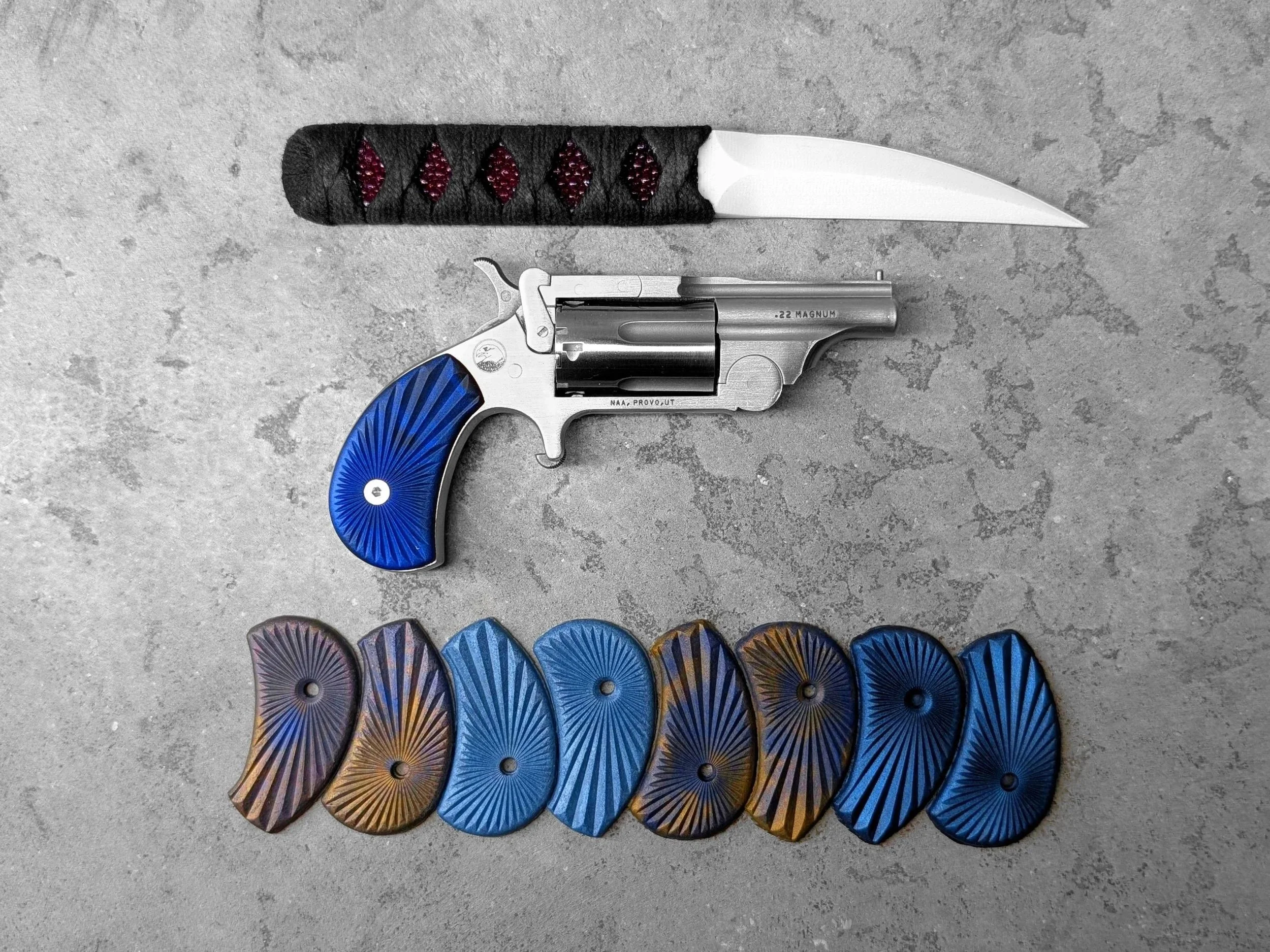
In Development: Dressy Mule Team Scales
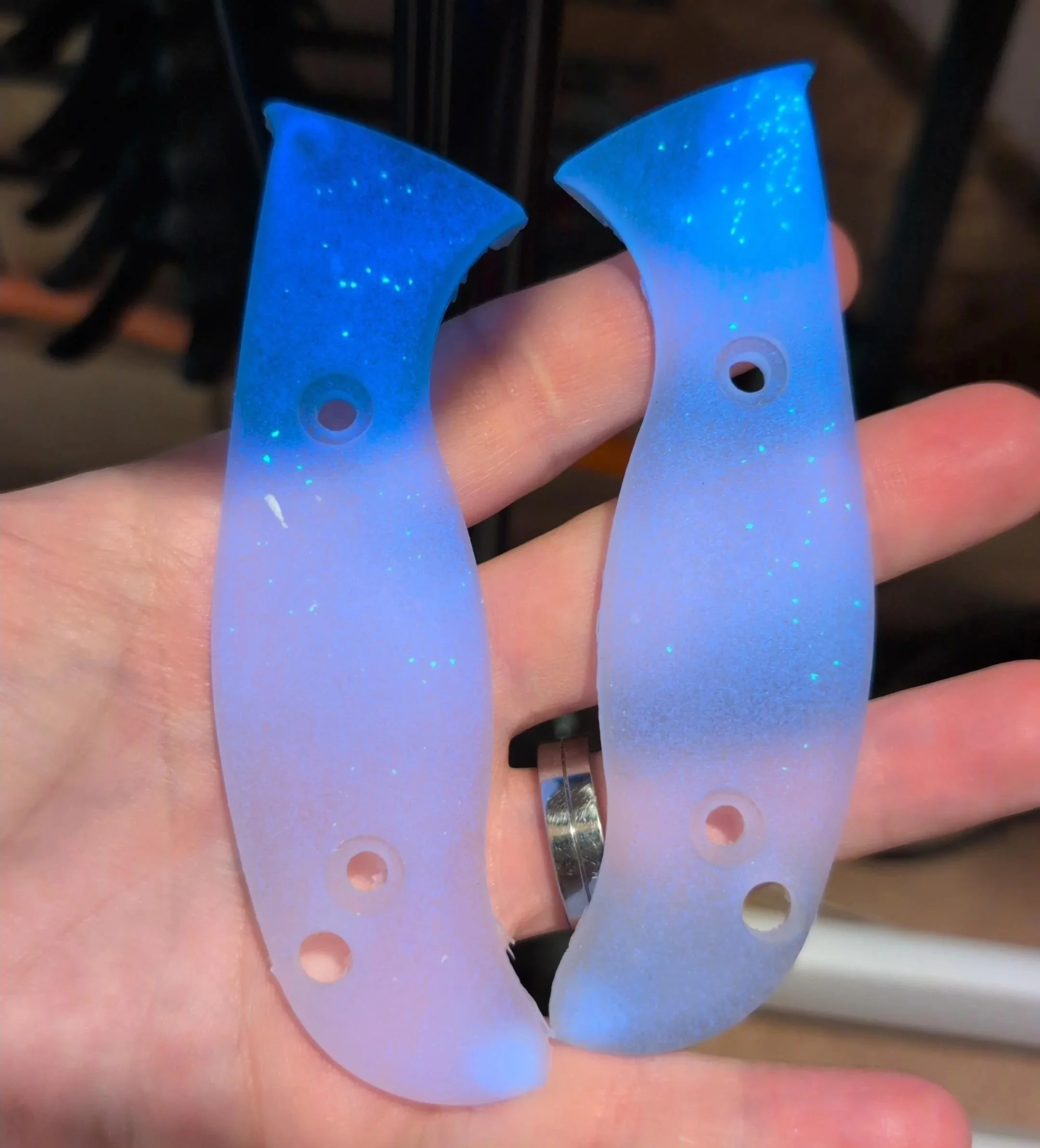
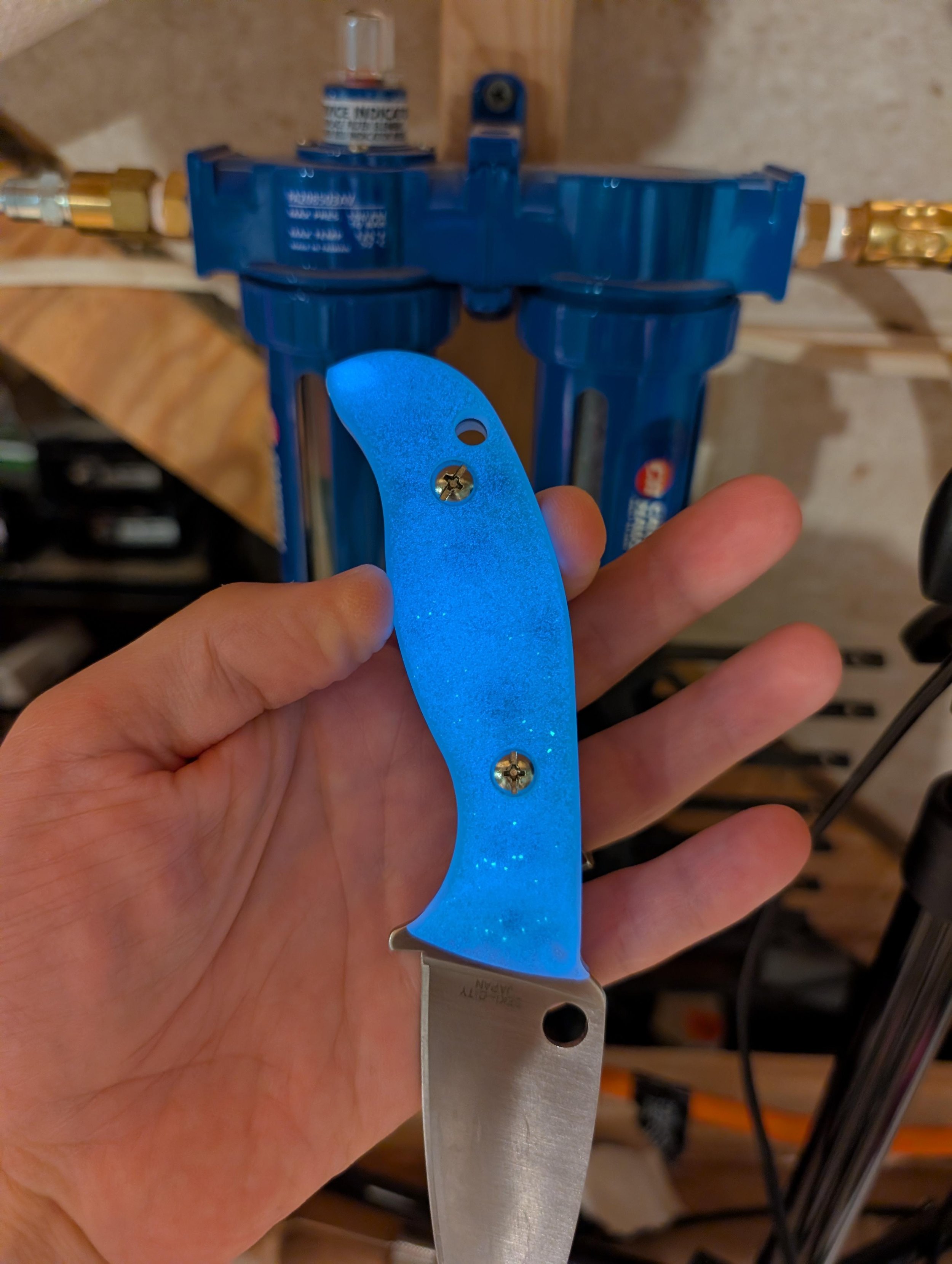
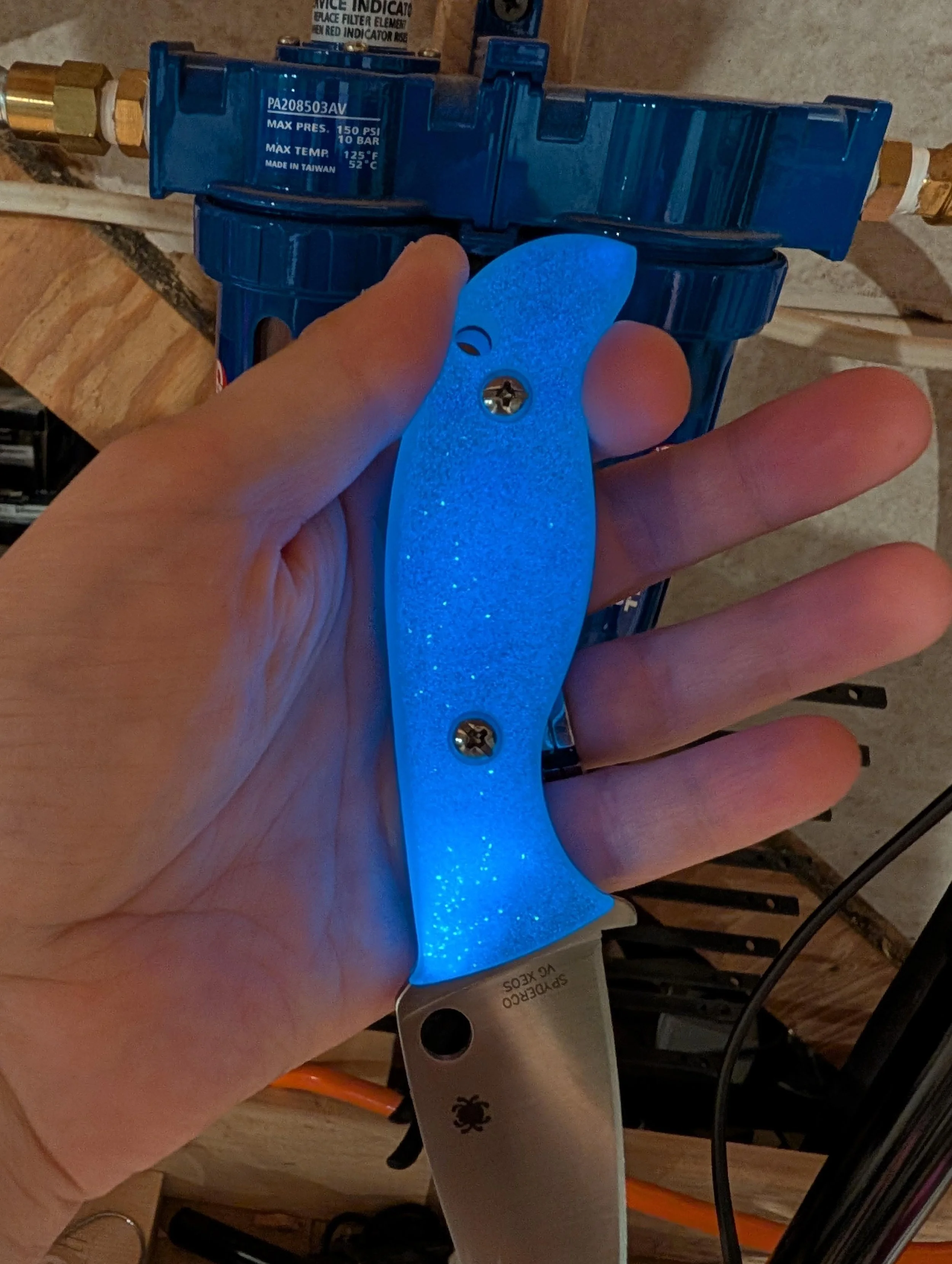
Our existing Spyderco Mule Team handles are functional, comfortable, and high performance, that's not changing. But some users wanted a more premium option from an aesthetic perspective, so we're developing a dressier set of scales that ports over everything people already like about the current Mule Team handles, same ergonomics, same fit, into a different look. These new scales will remain fully compatible with our existing sheath system.
We're also developing grips for the North American Arms revolvers. Both projects are currently in the prototype stage.